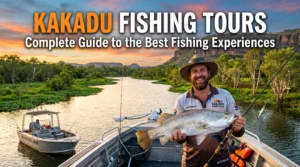
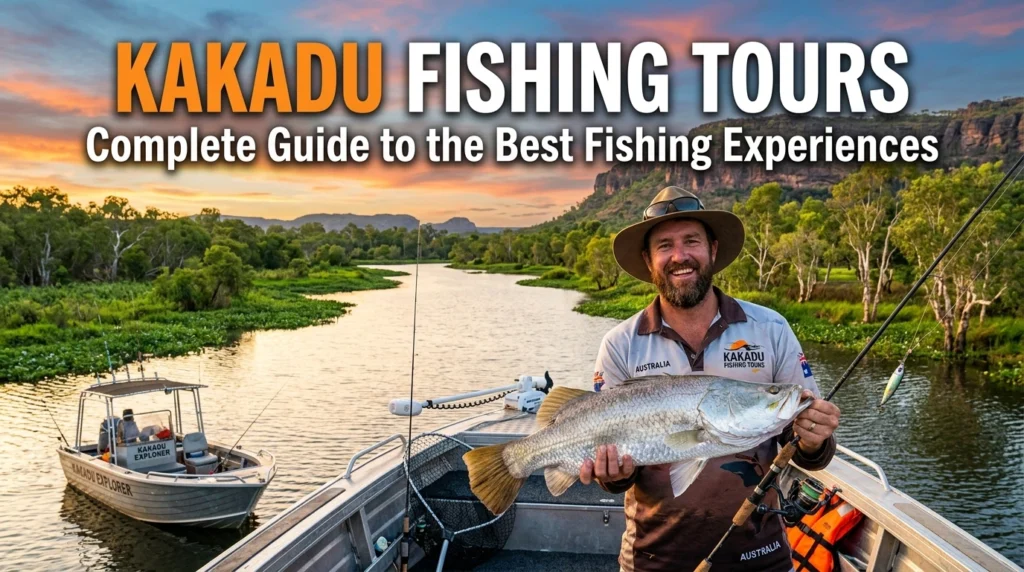
Kakadu National Park is one of Australia’s most iconic wilderness destinations, and for anglers, it’s nothing short of a bucket-list location. Spanning nearly 20,000 square kilometres of the Northern Territory, this UNESCO World Heritage-listed park is home to ancient river systems, dramatic wetlands, and some of the best barramundi fishing on the planet. Every year, anglers from across Australia and overseas travel to Kakadu chasing the thrill of hooking a trophy barra amid landscapes that feel untouched by time.
What makes Kakadu fishing tours so special isn’t just the fish — it’s the entire experience. You’re casting a line on rivers surrounded by towering escarpments, saltwater crocodiles sunning on the banks, and birdlife found almost nowhere else in the world. Whether you’re an experienced angler chasing a personal best or a first-timer who’s never held a rod, kakadu fishing tours cater to every skill level with expert local guides who know exactly where the fish are biting.
In this complete guide, you’ll learn everything you need to plan the perfect Kakadu fishing trip — the best locations, what species you can expect to catch, the ideal time of year to visit, tour types and inclusions, rough cost expectations, safety essentials, and how to actually get there. By the end, you’ll have everything you need to book a kakadu guided fishing tour with confidence.
Why Choose Kakadu Fishing Tours?
Kakadu isn’t just another fishing destination — it’s widely regarded as one of the top barramundi fishing kakadu locations in the country, and there are several reasons experienced anglers keep coming back year after year.
- World-class barramundi fishing — Kakadu’s river systems are legendary among barra fishers, with plenty of stories (and photos) of metre-plus fish landed in a single session.
- Experienced local guides — Most kakadu fishing charter operators employ guides who have fished these waters for decades and understand the seasonal movement of fish better than anyone.
- Stunning scenery — Sandstone escarpments, monsoon forest, and floodplains create a backdrop unlike anywhere else in Australia.
- Incredible wildlife — Saltwater crocodiles, sea eagles, jabirus, and magpie geese are common sightings on the water.
- Diverse river systems — From the tidal reaches of the East Alligator River to the billabongs of Yellow Water, there’s a huge variety of fishing environments to explore.
- Suitable for all skill levels — Whether you’re a complete beginner or a seasoned angler, guides tailor the day around your experience and goals.
Best Fishing Locations in Kakadu
Kakadu’s fishing grounds are spread across several major river systems and wetlands, each offering a slightly different experience.
South Alligator River
The South Alligator River is one of the most popular locations for fishing tours kakadu national park has to offer, thanks to its healthy barramundi population and accessible boat ramps. It’s a great option for both beginners and experienced anglers, with a mix of open water and snag-filled banks perfect for casting lures. The dry season tends to offer the most consistent results here, when water levels stabilise and fish congregate in predictable spots.
East Alligator River
The East Alligator River is known for its tidal influence, which pushes baitfish — and the predators that follow them — in and out with the tide. This river borders Arnhem Land and offers a genuinely wild fishing experience. It’s slightly more suited to anglers with some experience, as reading the tides and structure takes a bit of local knowledge (which is exactly what your guide provides).
Yellow Water
Yellow Water (Ngurrungurrudjba) is one of the most scenic wetlands in Kakadu, famous for its wildlife cruises as much as its fishing. While some areas are protected from fishing due to their ecological and cultural significance, nearby waterways offer excellent access to barramundi and saratoga. This is a fantastic spot for families or anglers who want to combine fishing with wildlife spotting.
Mary River Region
Sitting on the western edge of Kakadu, the Mary River region is renowned as one of the best kakadu national park fishing areas for consistent barramundi catches, particularly during the build-up season when fish become highly active. It’s a favourite among seasoned anglers chasing bigger fish in less crowded waters.
What Fish Can You Catch?
Kakadu’s waterways are home to a diverse range of species, making every trip a bit of an adventure. Common catches include:
- Barramundi — The star of the show and the main reason most anglers visit. Known for powerful runs and acrobatic jumps.
- Saratoga — A striking, prehistoric-looking fish popular among sport anglers for its aggressive surface strikes.
- Mangrove Jack — Aggressive and hard-fighting, often found around snags and structure.
- Catfish — Common throughout Kakadu’s freshwater systems, often caught while targeting other species.
- Threadfin Salmon — A prized catch in the tidal and estuarine sections of the rivers, known for its strength and speed.
Best Time for Kakadu Fishing Tours
Timing your trip can make a big difference to the fishing experience. Here’s a quick breakdown of Kakadu’s three main seasons and what they’re best suited for:
| Season | Best For |
|---|---|
| Wet Season | Big Barramundi |
| Dry Season | Comfortable Tours |
| Build Up | Active Fish |
The wet season (roughly November to April) sees rivers swell and barramundi move upstream, often resulting in some of the biggest catches of the year — though access can be limited by flooding. The dry season (May to October) offers the most comfortable conditions for travelling and fishing, with stable water levels and easier access to remote locations. The build-up period (October–November) is known for hot, humid weather that triggers highly active feeding behaviour, making it a favourite window for anglers chasing aggressive strikes.
Types of Kakadu Fishing Tours
There’s a tour style to suit almost every traveller, schedule, and budget.
- Half Day Tours — Perfect for those short on time or wanting a taste of Kakadu fishing without committing to a full day.
- Full Day Tours — The most popular option, giving guides time to chase fish across multiple locations as conditions change throughout the day.
- Multi-Day Fishing Safaris — Ideal for serious anglers wanting to explore remote stretches of river and maximise time on the water over several days.
- Private Fishing Tours — A tailored experience with your own guide and boat, great for those wanting flexibility or a more personalised trip.
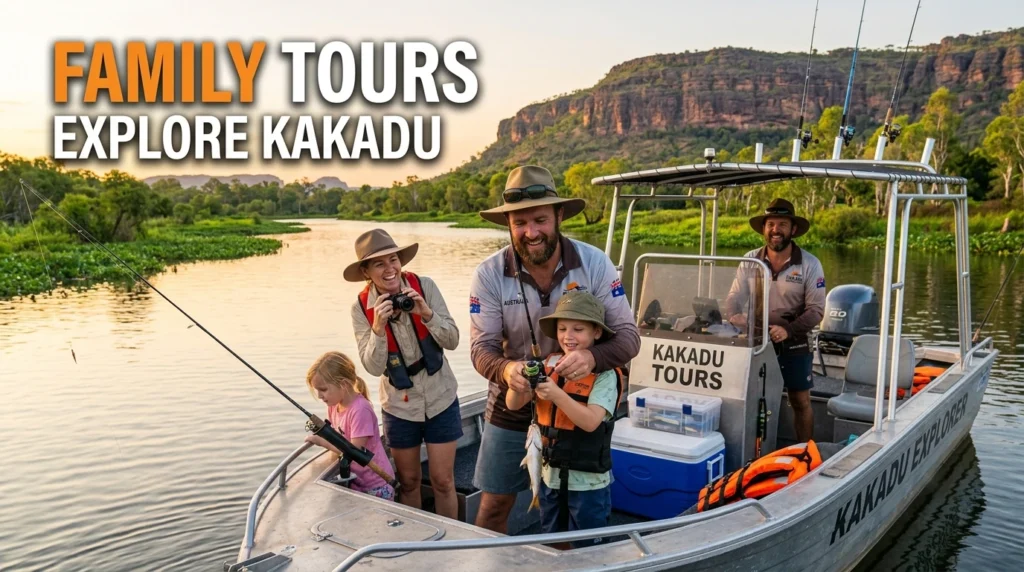
- Family Fishing Tours — Relaxed, beginner-friendly tours designed to keep kids and first-timers engaged and safe.
What is Included in a Fishing Tour?
Most kakadu guided fishing tour packages are designed to be as hassle-free as possible. While inclusions vary between operators, a typical tour includes:
- Boat — A fully equipped fishing vessel suited to the river system being fished.
- Guide — An experienced local skipper who handles navigation, safety, and fish-finding.
- Fishing gear — Rods, reels, and tackle suitable for the target species (though some anglers prefer bringing their own).
- Safety equipment — Life jackets and other essential safety gear.
- Lunch — Many full-day and multi-day tours include lunch and refreshments.
- Licences (if applicable) — Some operators handle any required permits or fishing licences on your behalf, though it’s always worth confirming this when booking.
How Much Do Kakadu Fishing Tours Cost?
Pricing for kakadu fishing tours varies depending on tour length, group size, and inclusions, but here’s a general idea of what to expect:
- Half Day Tours — A budget-friendly entry point, generally the most affordable option for a shorter time on the water.
- Full Day Tours — Mid-range pricing that reflects the extra time, fuel, and ground covered across multiple fishing spots.
- Multi-Day Tours — The highest investment, but typically includes accommodation, meals, and access to more remote fishing grounds.
Private and family tours may carry a premium over standard shared tours, while larger group bookings can sometimes bring the per-person cost down. It’s always best to compare a few operators directly, since inclusions can shift the value significantly.
What to Bring
A little preparation goes a long way on a Kakadu fishing trip. Here’s a simple checklist to pack before you head out:
- ✅ Hat
- ✅ Sunscreen
- ✅ Water
- ✅ Camera
- ✅ Polarized sunglasses
- ✅ Light clothing
- ✅ Insect repellent
Safety Tips
Kakadu is remote, wild, and shared with some serious wildlife — so a few safety basics are essential for every trip.
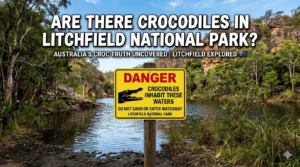
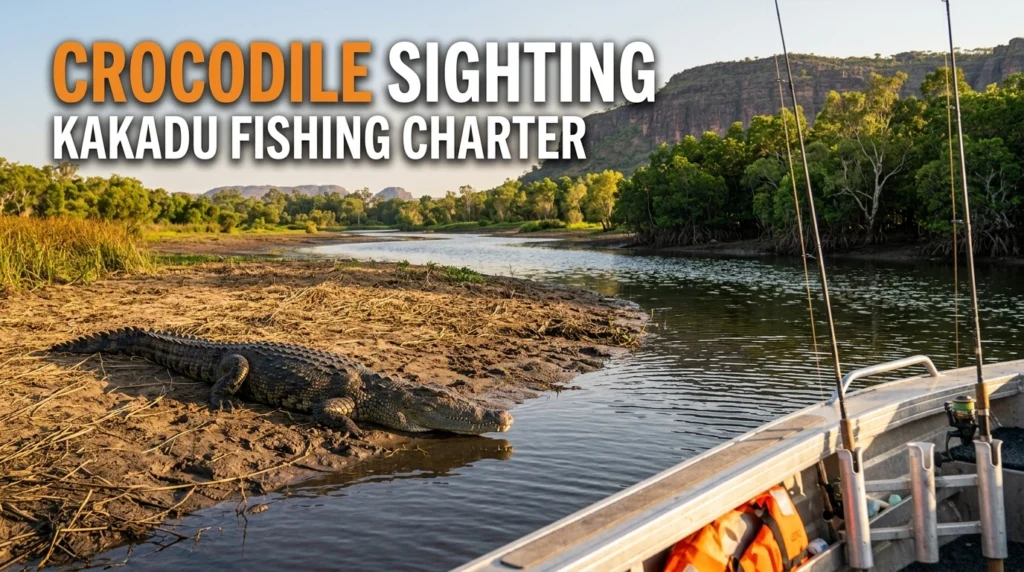
- Crocodiles — Kakadu’s rivers are home to saltwater crocodiles. Never swim in these waters and always stay inside the boat unless your guide says otherwise.
- Weather — The Top End’s weather can shift quickly, especially during the wet season and build-up. Check forecasts and follow your operator’s guidance.
- Sun protection — The Northern Territory sun is intense year-round; sunscreen, a hat, and covered clothing are non-negotiable.
- Follow guide instructions — Your guide knows the rivers, the wildlife, and the conditions — always follow their directions for a safe, enjoyable trip.
How to Get to Kakadu
Kakadu National Park is located roughly 170 kilometres east of Darwin, making it an easy and popular day-trip or multi-day getaway for travellers based in the Top End.
- Drive from Darwin — The most common way to reach Kakadu, with a scenic drive of around 2.5 to 3 hours along sealed roads.
- Self-drive — Many visitors choose to self-drive so they can explore multiple regions of the park at their own pace, from Jabiru to the Mary River region.
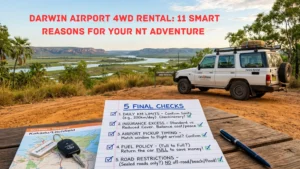
- Car hire — Renting a vehicle in Darwin gives you full flexibility to reach fishing charters, lodges, and lookout points on your own schedule.
- Road conditions — Main roads into Kakadu are sealed and suitable for regular vehicles, though some more remote fishing access points may require a 4WD, particularly during the wet season.
Planning your Kakadu adventure? Renting a reliable vehicle makes travelling around the Northern Territory much easier. Cars4Mates offers flexible and affordable car rental options to help you explore Kakadu comfortably.
Frequently Asked Questions
Are Kakadu fishing tours suitable for beginners?
Yes. Most operators cater to all experience levels, with guides who are happy to teach casting, lure selection, and technique from scratch.
Do I need a fishing licence?
Requirements can vary, so it’s worth checking with your chosen operator — some tours include or arrange any necessary permits as part of the package.
Can children join?
Absolutely. Family fishing tours are specifically designed to be safe, relaxed, and engaging for younger anglers.
When is Barramundi season?
Barramundi can be caught year-round in Kakadu, but many anglers consider the build-up and early wet season to offer the most exciting, active fishing.
Are fishing rods included?
Most tours provide rods, reels, and tackle, though experienced anglers are often welcome to bring their own preferred gear.
Can I keep the fish?
This depends on local regulations, size and bag limits, and the specific tour’s policy — your guide will be able to explain what’s allowed on the day.
How long do tours last?
Tours range from a few hours (half-day) to multi-day fishing safaris, depending on how much time you want to spend on the water.
What should I wear?
Light, breathable clothing, closed shoes, a hat, and polarized sunglasses are recommended for comfort and sun protection.
Can I book a private tour?
Yes, many operators offer private charters for those wanting a more personalised experience or greater flexibility with timing and locations.
Is Kakadu worth visiting for fishing?
For barramundi enthusiasts especially, Kakadu is considered one of the best best fishing in kakadu experiences in Australia, combining incredible scenery, wildlife, and genuinely world-class fishing.